Important
If you or anyone you know are imminent danger.
Call the police on 999.

People get into debt for lots of different reasons. Most of the time it is for reasons they have little control over, and sometimes debt creeps up on them because they have borrowed more than they can afford.
If you are in debt, don’t panic – but it is important to do something about it – the problem will only get worse if you try to ignore it.
You can follow these steps yourself to help you get back in control of your money problems.
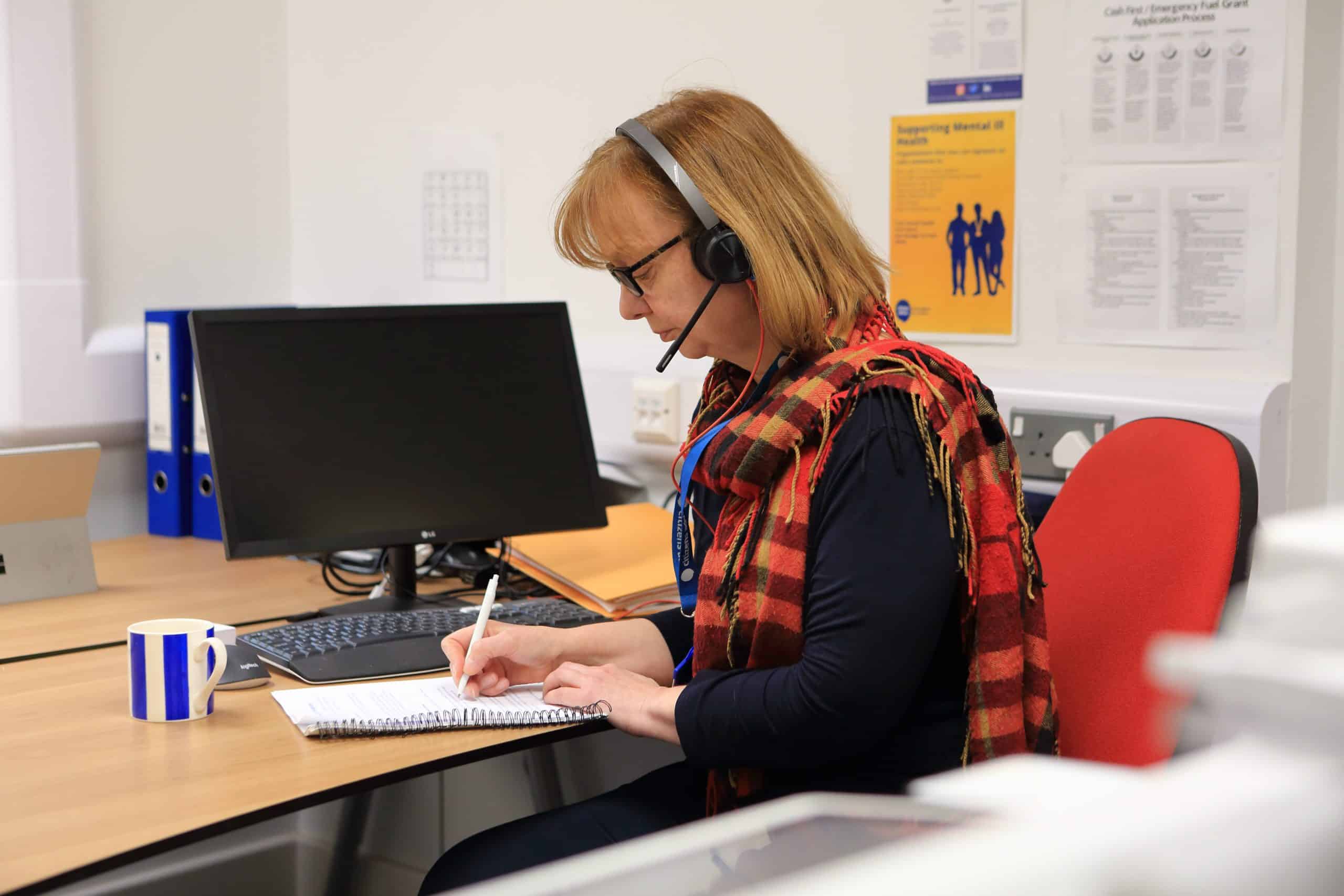
If you would like more help, contact a Money Advisor at Citizens Advice Guernsey. Telephone 01481 242266 to make an appointment.
Before you start to tackle a debt problem you will have to collect together all the information you need.
Gather together all the loan agreements, statements, bills and any letters about debts and sort through them.
Then make a list of creditors (everyone you owe money to), with the name and address of each creditor; account number or reference number and the amount owed.
Get in touch with your creditors and explain your difficulties. If possible, get a named person to speak to. Otherwise write to the creditor.
Once you have made a list of all your creditors you need to work out which ones to deal with first. The debts you deal with first are called Priority Debts. The debts you can deal with after that are called Non-Priority Debts.
Priority – if you don’t pay certain bills, you may lose your home; fuel and water supplies may be cut off and you could even face a prison sentence, so paying these bills is more important.
Priority debts include: rent or mortgage; electricity, gas, water; court fines, maintenance payments under court order; taxes; TV licence; loans secured on your house.
Non-priority – bank or finance company loans, bank overdraft, hire purchase, credit and store cards, money borrowed from friends or family.
If non-priority debts are not paid the creditor can take you to court. Your credit rating will be affected. If you still fail to pay what the court orders, you may have money taken from you by wage arrest, or belongings taken from your home by HM Sheriff.
Look at the list of your debts and decide which are priority and which are non-priority.
At this point you should start to think if there are ways you can increase income. Some suggestions: extra earnings – overtime, another job, check if working children living with you are contributing a realistic amount for their board and lodging. You should also think about whether any expenses can be reduced.
Be sure you are using fuel efficiently – the electricity and gas companies give free advice on how to reduce consumption.
Check if the way you pay is best for you – there may be cheaper or easier ways to pay – for example, some accounts give discount for direct debit payment, control of spending on electricity or mobile is easier if you pay with a key meter, or with pay as you go, TV licence can be paid using savings stamps.
You may be eligible for help with medical expenses – ask about MEAS (Medical Expenses Assistance Support) at Income Support, or for school clothing – ask at Education Department .
Go through the Fixed/Flexible Expenditure sheets (within the Income and Expenditure form) and think about cutting down on any ‘unnecessary spending’ – but be realistic – and remember to leave something for the unexpected. Where cuts can be made, mark in the ‘notes’ column.
The next stage is to work out how to share the money available among your creditors.
First you need to make arrangements with the Priority Creditors. You should show each creditor your Income and Expenditure forms – be ready to explain your need for expenses. Negotiate to pay a reasonable amount towards the debt, as well as paying the full amount of any continuing usage charge.
After making arrangements for priority creditors you will need to tackle the non-priority debts.
If there is nothing left to offer, say so. Show your creditors your income and expenditure forms.
Do not be pressured into making an offer of payment that you will not be able to keep. You may wish to contact Citizens Advice Guernsey for further advice at this point.
If there is some money available, you need to share it fairly between creditors.
Usually this is done by “pro rata distribution”. Follow the Pro Rata Distribution Guide to work out your payments. It is normal to round down to the nearest 10 pence.
Multiply each individual debt by the available income for other creditors, then divide by the total amount owed to these creditors.
| Creditors | Amount owed |
| Catalogue | £463 |
| Loan company | £1,246 |
| Bank | £825 |
| Total | £2,534 |
Offer to catalogue: £463 x 30.40 ÷ £,2534 = £5.55
Offer to loan company: £1,246 x 30.40 ÷ £,2534 = £14.94
Offer to bank: £825 x 30.40 ÷ £,2534 = £9.89
Finally, all debts consist of the money borrowed and the interest charged. You need to know what interest is still being added for each debt. If the amount you can offer is less than the interest being added on, your debt will go on growing.
You should ask the creditor to stop charging more interest.
If all creditors accept your offer, you must make sure your payments are all made regularly as agreed. You may be able to set up standing orders through your bank – this is the cheapest and safest method.
What if I haven’t been able to negotiate an agreement?
If your creditors refuse to accept your offers, don’t give up trying to reach agreement.
At this point you may wish to have help from Citizens Advice Guernsey.
If legal action has already started, you will get a summons for Court. You must attend the Court, if you do not the judgement will automatically go against you. If the action is in Petty Debts Court, you do not need to have an advocate. Take all the relevant papers to Court with you and take a copy of your Income and Expenditure Forms.
If a judgement is made against you, the Court will take into consideration your financial position when setting the order for payments.
If payments required by the Court Order are not made, the creditor can enforce the judgement, for example, by wage arrest or having goods arrested.
Need help with various areas of advice?
Complete the callback request form and we will direct your enquiry to the right people who will call you back

© 2024 Citizens Advice Guernsey. All rights reserved. Citizens Advice Guernsey is a Guernsey Registered Charity No. CH1. It is a company limited by guarantee, Guernsey Registration No. 44230. Registered office: GROW Hub, Les Petits Quartiers Vinery, Coutanchez, St Sampson, Guernsey, GY2 4GE
* required